

What You Will Learn
• What Coconut Husk Infill Is and How It Works
• How Coconut-Based Infill Differs From Traditional Turf Materials
• Why Heat Reduction Matters for Artificial Turf Systems
• How Natural Infill Supports Turf Performance
• Why Homeowners Are Choosing Premium Turf Systems in Los Angeles
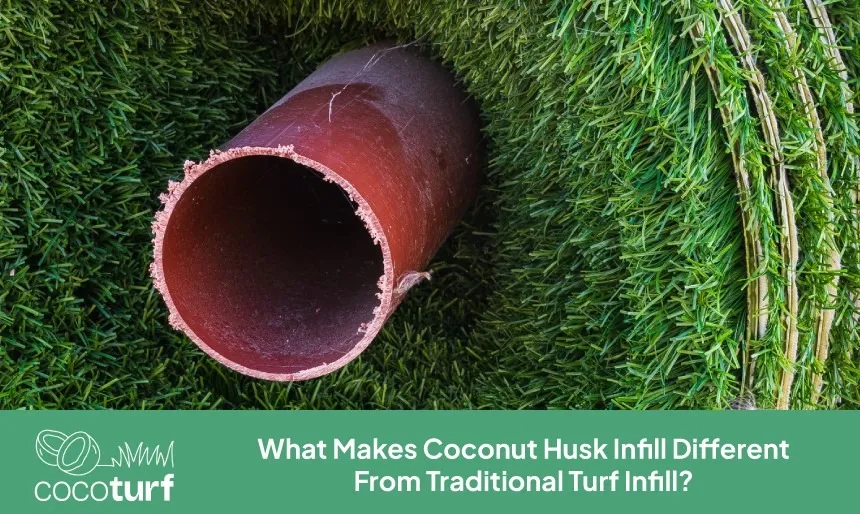
What Makes Coconut Husk Infill Different From Traditional Turf Infill?
Artificial turf systems have evolved significantly over the last decade, especially as homeowners place greater focus on comfort, cooling performance, and realistic outdoor presentation. One of the biggest advancements involves the materials used beneath the turf fibers themselves. Homeowners considering artificial turf installation in Los Angeles are increasingly researching infill options because infill directly impacts surface temperature, drainage, comfort, and overall turf performance. Coconut husk infill has become a growing alternative to traditional synthetic infill materials because it offers a more natural approach to temperature control and turf stability.
Many homeowners exploring artificial turf services in Los Angeles are now prioritizing cooling-focused turf systems designed to remain more comfortable under direct sunlight while maintaining a clean and polished appearance throughout the year. Coconut husk infill plays a major role in helping support that performance.
What Is Coconut Husk Infill?
Coconut husk infill is a natural turf infill material derived from coconut fibers and organic coconut husk components. Unlike traditional rubber-based infill materials, coconut husk infill is designed to support moisture retention and cooling performance while helping stabilize turf fibers and maintain surface consistency.
Infill serves several important purposes within an artificial turf system:
• Supports turf blade positioning
• Adds cushioning underfoot
• Improves surface stability
• Assists with drainage performance
• Helps regulate surface temperature
• Reduces turf movement over time
Because Southern California properties often experience prolonged sun exposure and elevated outdoor temperatures, many homeowners are moving away from traditional heat-retaining infill materials in favor of more advanced cooling alternatives.
How Coconut Husk Infill Differs from Traditional Turf Infill
Traditional artificial turf systems commonly used crumb rubber or fully synthetic infill materials. While these products may provide basic structural support, they often retain substantial heat during warmer weather conditions.
Coconut husk infill differs because it is designed to support improved cooling performance while incorporating more natural material composition. The organic structure of coconut fibers helps retain moisture longer, which can assist with lowering surface temperatures during hot weather.
Homeowners choosing artificial turf installation in Los Angeles are increasingly evaluating:
• Surface heat reduction
• Turf realism
• Environmental considerations
• Long-term comfort
• Drainage capability
• Material quality
• Overall outdoor usability
Cooling-focused turf systems have become especially important for pool areas, pet spaces, rooftops, playground environments, and entertainment-focused outdoor living areas where comfort remains a priority.
Why Surface Temperature Matters for Artificial Turf
Surface heat has become one of the biggest concerns associated with older synthetic turf systems. Standard turf materials exposed to direct Southern California sunlight can become uncomfortable during peak daytime temperatures, particularly during summer months.
This has driven increased demand for cool turf systems incorporating:
• Coconut husk infill
• Cooling technology
• Specialized turf fibers
• Heat-reducing construction materials
• Advanced drainage systems
Many homeowners investing in artificial turf services in Los Angeles want outdoor spaces that remain usable throughout the year instead of becoming excessively hot during warmer conditions.
Cooling-focused infill systems can help improve:
• Walking comfort
• Pet safety
• Poolside usability
• Outdoor entertaining conditions
• Overall residential enjoyment
As outdoor living spaces continue expanding across Los Angeles properties, turf performance has become just as important as appearance.
How Coconut Husk Infill Supports Long-Term Turf Performance
Beyond temperature management, coconut husk infill also contributes to overall turf durability and appearance retention. Proper infill helps turf fibers remain upright while supporting more consistent surface texture across high-use residential environments.
This becomes especially important for:
• Luxury residential landscapes
• Backyard entertainment areas
• Rooftop turf installations
• High-traffic pet areas
• Putting greens
• Courtyard environments
Many premium turf systems now combine coconut husk infill with advanced base preparation and drainage planning to support long-term structural performance.
Professional installers also evaluate:
• Sun exposure
• Slope conditions
• Water drainage
• Usage patterns
• Property layout
• Surface traffic levels
These factors help determine the best turf and infill combination for each specific project.
Why Premium Turf Systems Continue Growing in Los Angeles
Modern homeowners increasingly expect outdoor environments to function as extensions of the home itself. Landscaping materials are no longer selected based only on appearance. Comfort, durability, cooling performance, and long-term usability now play major roles in outdoor design decisions.
Artificial turf systems incorporating coconut husk infill continue gaining popularity because they support:
• Cooler outdoor environments
• Lower maintenance requirements
• Reduced water usage
• Cleaner landscape presentation
• Improved comfort during warm weather
• Long-term outdoor consistency
As artificial turf technology continues improving, cooling-focused turf systems remain one of the fastest-growing trends throughout luxury residential landscaping across Southern California.
Frequently Asked Questions
What does coconut husk infill do in artificial turf?
Coconut husk infill helps support turf blade stability, cushioning, drainage performance, and surface cooling while contributing to overall turf consistency.
Is coconut husk infill cooler than rubber infill?
Coconut-based infill is often selected because it helps support lower surface temperatures compared to many traditional rubber-based turf infill materials.
Does coconut husk infill work well in hot climates?
Yes. Coconut husk infill is commonly used in warmer climates because of its cooling-support characteristics and moisture retention capability.
Is coconut husk infill safe for pets and families?
Many homeowners prefer coconut-based infill because it uses more natural material composition while supporting cleaner and cooler outdoor environments.
Why is infill important for artificial turf systems?
Infill helps stabilize turf fibers, improve surface consistency, support drainage, and contribute to overall turf performance and durability.
Summary
Coconut husk infill has become a major advancement in modern artificial turf systems because it supports improved cooling performance, long-term comfort, and more natural outdoor usability compared to many traditional infill materials. As homeowners throughout Southern California continue prioritizing outdoor comfort and premium landscape design, cooling-focused turf systems incorporating coconut-based infill remain an increasingly popular choice for residential properties.
Check Out the Best Artificial Turf Installation in Los Angeles
Transform your outdoor space with top-quality artificial turf installation for a crisp, cool, aesthetically-pleasing area you can count on for long-term performance. Cocoturf advanced turf systems offer reduced maintenance designed for a safe and sanitary spot for your pet. Contact us at (310) 957-1900.
